For much of the past decade, alcohol functioned as shorthand for social fluency in cities around the world. Rooftop lounges in Mumbai, weekend brunches in New York, and club nights in Madrid were as much about signalling ease as they were about what was in the glass. To drink was to belong. To refuse a round, even for personal reasons, often came with questions.
That assumption is beginning to loosen, though not everywhere, and not in the same way. Among Gen Z, shifts in drinking habits and social rituals are becoming more visible. This change is not about wholesale teetotalism. It is about curiosity and choice.
In recent years, a growing number of people globally have begun questioning their relationship with alcohol. Not by quitting outright, but by asking smaller, situational questions: Do I actually want a drink tonight? Do I need it to socialise? To unwind? To feel like I belong? This orientation has come to be known as sober curiosity, a loosely defined movement that encourages moderation, intentional drinking, or opting out altogether, without moralising abstinence.
In the United States and Europe, sober curiosity emerged largely as a response to excess. Youth drinking declined, wellness culture took hold, and the pandemic reshuffled ideas of productivity and self-care. Choosing not to drink became associated with control, mindfulness, and even moral clarity.
India’s version looks different, and that difference is the story. For much of the past decade, alcohol in India’s major cities also functioned as a social shortcut, but under different conditions. Drinking was not just about taste or leisure. It was about urban fluency. To drink was to signal modernity and belonging in spaces that were already classed, gendered, and regulated.
Now, across metros and increasingly in tier-2 cities, young professionals are opting out of alcohol situationally rather than ideologically. They are skipping rounds without apology, leaving earlier than expected, or choosing daytime socialising altogether. This is not prohibition, and it is not a backlash. It is conditional participation. Alcohol is no longer an automatic assumption for a social hang.
Globally, this behaviour fits under the banner of sober curiosity. In India, it arrives with complications. Unlike Western markets, where sobriety often signals restraint from abundance, India’s relationship with alcohol has always been uneven. Large sections of the population abstain for religious, cultural, or economic reasons. What is new is not sobriety itself, but who gets to frame it as intention rather than constraint.
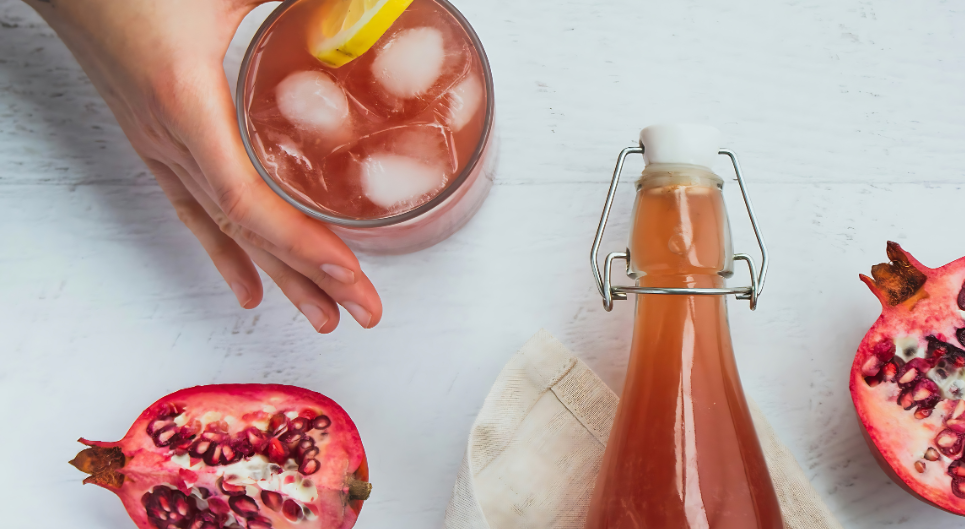
In English-speaking, urban spaces, not drinking is slowly becoming legible as a choice. That shift is visible in the market. India’s non-alcoholic and zero-proof beverage industry, valued at roughly ₹1.37 lakh crore in 2023, is projected to cross ₹2.10 lakh crore by the end of the decade. Bars in Mumbai and Delhi now offer zero-proof cocktails priced like their alcoholic counterparts, complete with garnish, glassware, and ceremony. The point is not abstinence. It is equivalence. You can opt out without opting out socially.
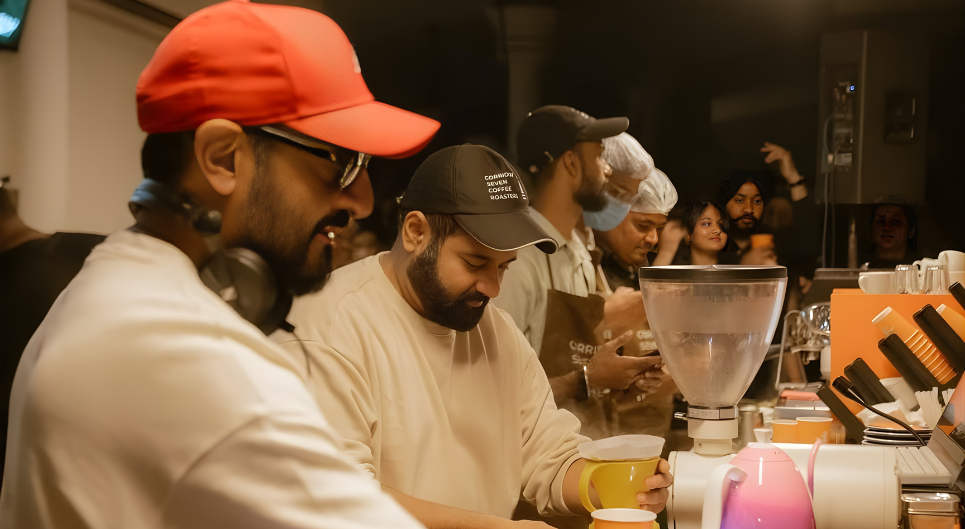
But the more revealing shift is not happening in bars. Across cities like Pune, Indore, Nagpur, and parts of Mumbai, early-morning “coffee raves” are drawing crowds that once would have gathered at nightclubs. Loud music, packed dance floors, caffeine instead of alcohol, and an exit time before noon. Similar sober daytime parties exist in New York or London, but in India their appeal is structural. They replace nightlife rather than supplement it. They fit around long workdays, shared housing, family expectations, and cost.
This is where India diverges sharply from Western sober-curious narratives. The appeal is not only wellness or mindfulness. It is also efficiency. Alcohol costs time. Hangovers interfere with already compressed schedules. Late nights disrupt routines in cities where commutes are long, private space is scarce, and burnout is ordinary. In this context, sobriety reads less as self-denial and more as control. Not drinking is not about virtue. It is about being functional.
Still, this permission is uneven. Choosing not to drink is celebrated when it appears intentional and curated. It is far less visible when abstention is expected or imposed. Women in India have long navigated sobriety without praise. Working-class abstention has rarely been framed as lifestyle. The current moment becomes visible largely because a certain class can afford to turn moderation into identity.
That tension is what makes India’s sober curiosity worth paying attention to. This is not a wholesale rejection of drinking culture. Alcohol remains central to many social scenes. What is changing is the default. Refusal no longer requires justification everywhere. Social life is slowly learning to accommodate absence.
Globally, sober curiosity emerged as backlash. In India, it looks more like recalibration. Less about excess. More about time, cost, and permission. This shift, uneven and easy to overstate, still marks something real. It reflects a change in how people gather, celebrate, and belong. In a culture where participation has long demanded conformity, opting out without disappearing is a meaningful shift.
Leave a Reply