Open any major platform and a certain pattern appears. A stranger studies quietly on TikTok Live, a creator walks through a supermarket with viewers trailing behind, meditation apps offer modes that resemble shared presence, and AI companions send morning greetings. Productivity tools now include virtual coworkers. These features look like entertainment or efficiency hacks, yet they are built to give people the sense that someone is nearby.
A decade ago, loneliness felt like an interior mood. Now it shapes product decisions across the tech industry. Companies have realised that users return more reliably when something feels companionable. The numbers reflect this shift. Low-interaction livestreams on TikTok have grown steadily over the past two years, AI companion apps have pulled in tens of millions of users around the world, and long, quiet study videos on YouTube continue to draw consistent viewing. The engagement holds even when very little is happening.
The reasons stretch beyond technology. Remote work reduced daily contact, and many shared spaces either changed or disappeared. Cafés raised prices, libraries shortened hours, and neighbourhood spots became harder to maintain. A global survey in 2023 by Meta and Gallup reported that around one in four adults experiences frequent loneliness. It tracks with what people describe in their own lives. As familiar rhythms faded, they began looking for softer forms of connection that could slip into unpredictable days.

AI accelerated the trend. Companion apps offer a feeling of steadiness without the weight of social performance. Conversations take place at a pace people can manage, which often makes them easier than real ones. The appeal here is quiet. Many users are not searching for romance or fantasy. They want acknowledgement that fits into the edges of a scattered routine.
Livestreams and shared-task videos serve a different purpose. Someone’s presence, even through a screen, can create a backdrop that softens the day. Walking streams, cooking sessions, and silent study rooms are simple formats, yet they mimic the comfort of being around others who are also going about their lives. These spaces carry no pressure, which explains their endurance.
The behaviour is most visible among younger users, yet it crosses age groups. Many people feel stretched by erratic schedules, high expectations, and social environments that sometimes feel too demanding. A low-demand connection can feel reliable in a way traditional social life often does not. A livestream does not ask you to keep up. A digital companion stays even when you step away.
Companies respond to what they see. Some now measure engagement in terms of presence rather than taps or clicks. A few surface creators who hold attention simply by showing up regularly. The idea is straightforward. People trust spaces that feel steady, and steadiness keeps them returning.
There are concerns about how these habits develop. Platforms gain when users stay inside their ecosystems, so these environments can expand quietly. Hours drift by. A stream that starts as a background company sometimes takes up a larger share of the day than expected. Comfort and habit can merge without much notice.
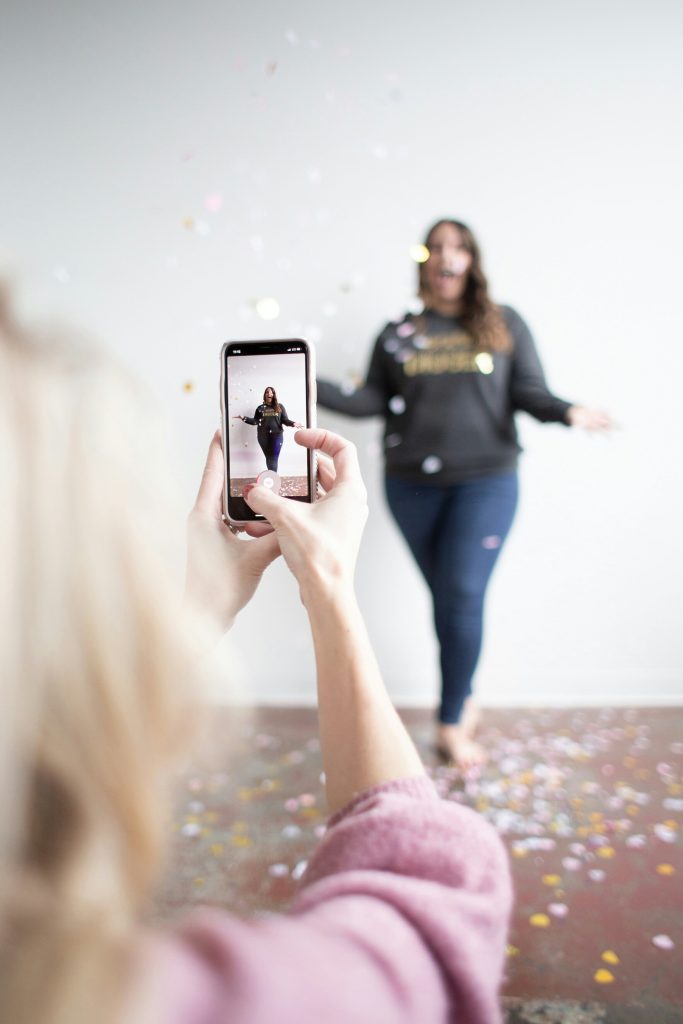
Even with the risks, it is clear that these tools fill a gap. Many people are not seeking grand emotional narratives or deep conversation. They want a softer kind of company that can sit beside work, chores, or study, and the world does not offer that easily anymore. Technology stepped into the space left behind by changes in work, housing, mobility, and community life.
The loneliness market is less a verdict on people and more a reflection of the moment. It shows how individuals are rearranging their emotional routines when older forms of casual connection no longer appear without effort. Digital companionship, even when light, offers a sense of continuity that is hard to find elsewhere. The behaviour will shift as the world changes, yet the need that drives it feels durable. People want to move through their day with some feeling of closeness, even when that closeness takes a different shape from what they expected.
Leave a Reply