It starts with a toss but ends with a cultural takeover. The Indian Premier League, now in its seventeenth year, has become more than just a sporting phenomenon. Over time, it’s India’s most potent soft power tool. What began as a domestic T20 tournament has evolved into a slick, high-gloss spectacle that shapes how the world sees India: fast, chaotic, competitive, and endlessly entertaining.
At a time when national identity is increasingly built through pop culture and media, the IPL operates as a shorthand for modern India. It’s not just the cricket that draws global attention — it’s the Bollywood-backed team ownerships, international player rosters, drone-shot stadium cinematics, and theme music that sounds like it belongs in an action film trailer. For millions abroad, this is India at its most visible — a nation where entertainment and ambition collide in dazzling colour.
The numbers reflect that reach. The IPL is one of the most-watched sporting leagues in the world, with streaming deals stretching across continents. For international brands — from Saudi tourism boards to global soft drink giants — IPL sponsorships are a way to tap into India’s massive consumer base while aligning with the league’s aspirational sheen.
But the IPL’s soft power isn’t just external. It also reflects India’s self-image. In the league’s aesthetic, we see a country willing to negotiate tradition and hypermodernity — cricket whites have been replaced with neon kits, devotional chants have been repurposed as crowd anthems, and local dialects have been woven into high-production promos. The IPL champions hustle culture, regional pride, and pan-Indian unity — all on a three-hour broadcast.
That said, this cultural diplomacy comes with contradictions. The tournament’s embrace of spectacle can overshadow deeper conversations around labour rights, gender parity in sport, and access to resources. And while Indian players are front and centre, the tournament is still often run with a corporate logic that flattens regional nuance into easily marketable archetypes.
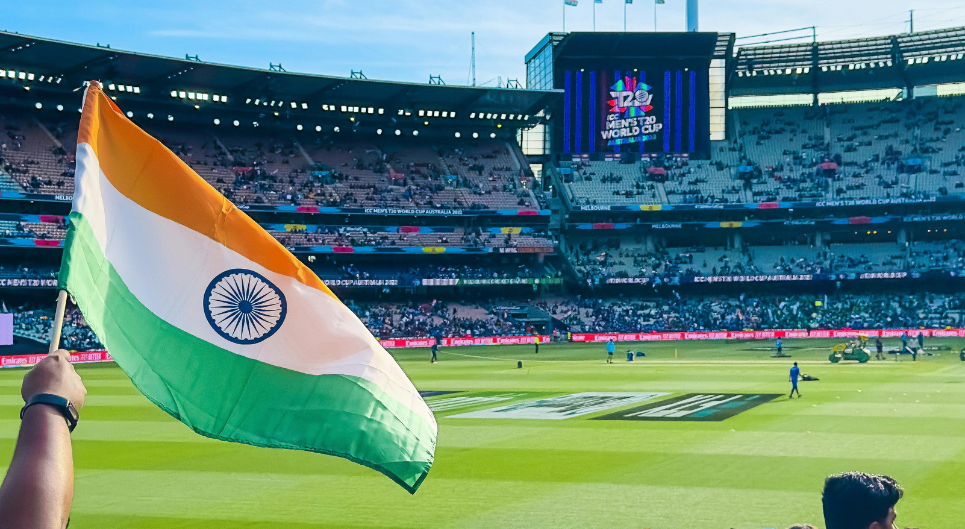
Still, if Hollywood was America’s soft power in the 20th century, the IPL may be India’s in the 21st. It packages sport, celebrity, nationalism, and commerce into a single, irresistible export. And whether you’re watching from Chennai or Chicago, one thing’s clear — this isn’t just about cricket anymore. It’s about image. And India knows exactly how to play the game.
Leave a Reply